TEl: 86-16719316856
EMAIL: [email protected]

TEl: 86-16719316856
EMAIL: [email protected]

The reaction heat generated by the oxidation of silicon and carbon in the silicon carbon powder has a low melting point, which can reduce the amount of electricity used and shorten the operating time. The recovery rate is high, the reaction speed is fast, and the casting cost is reduced.
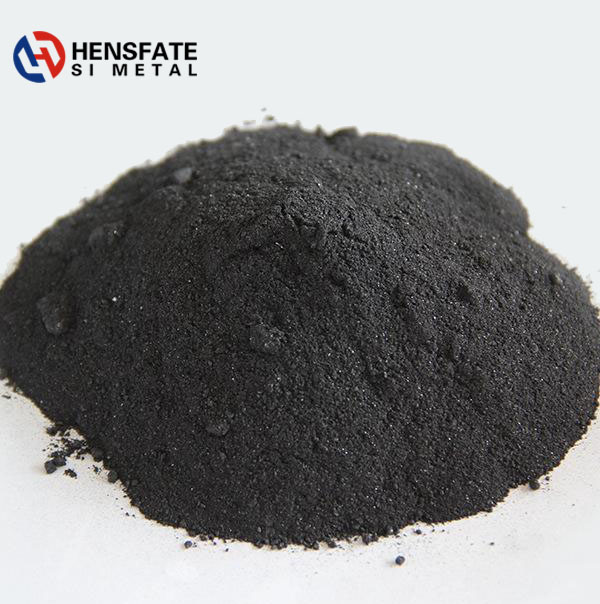
The content of carbon and silicon in silicon carbon powder determines the arrangement of cast iron. Obviously, carbon and silicon are both elements that promote graphitization and are fierce graphitizing agents. Practice has proved that when the cooling conditions are the same, the molten iron of white cast iron parts is originally obtained according to the stable system crystallization, and the carbon and silicon content is added to a certain value. It can make the original molten iron crystallize according to the stability system, thereby obtaining gray iron castings.
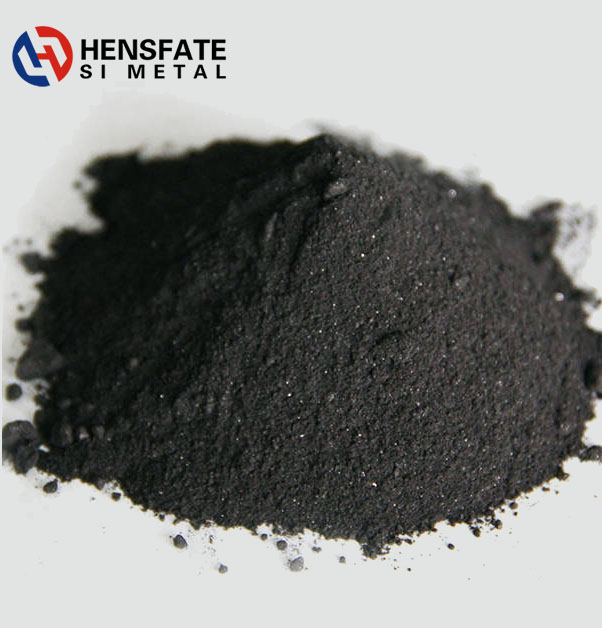
Silicon carbon powder is chemically stable, not affected by strong acids and alkalis, has less harmful impurities, low iron and sulfur content, has high temperature resistance, heat transfer, conductivity, lubrication and plasticity. It is widely used in casting, coating molds, batteries, and carbon products , Pencils, paints, refractories, recarburizers, etc.
Our related news
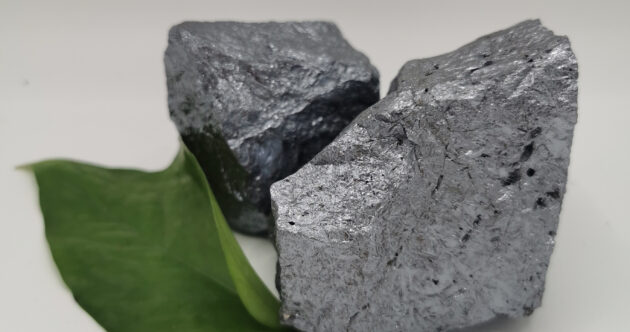
Silicon Metal 553#, Silicon Metal 441# differ significantly in purity, impurity content, application areas, and price. Silicon Metal 553# is a general-purpose product with a silicon content ≥98.5%, iron ≤0.5%, aluminum ≤0.5%, and calcium ≤0.3%, primarily used in the aluminum alloy and organosilicon industries. Silicon Metal 441# has a silicon content ≥99.0%, iron ≤0.4%, aluminum…

Happy New Year! Wishing you and your loved ones a year filled with joy, health, and prosperity.
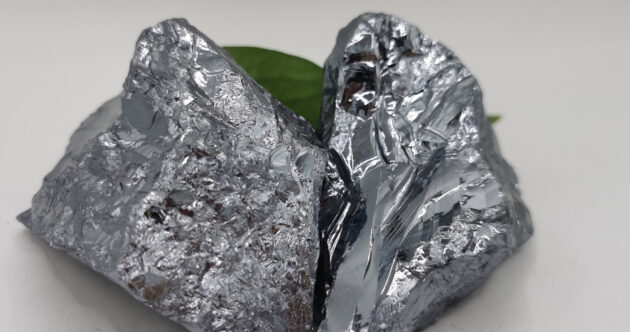
Widespread Applications of Silicon MetalAs a basic raw material, silicon metal has a wide range of applications. According to statistics, approximately 500,000 tons of silicon metal were consumed worldwide in 1985, of which approximately 60% was used in aluminum alloys, less than 30% in organosilicon, and about 3% in semiconductors. The remainder was used in…